
Making Meaning through Communication
Whether you start your day with a freshly home-brewed espresso, a long haul commute or walking out into the fields, the tasks of your day, your responsibilities, the decisions made and relationships you make are an expression of who you are and what you see as important. Due to this connection, most of us care about the meaning of what we do.
Recently, the meaning of what I do in my daily work life has dramatically changed. I have gone from ten years in community health and services working for the ‘voiceless’ and for recognition of mental health and multiculturalism, to working in the meeting and events industry. They are different worlds with seemingly nothing in common. Or are they? On the verge of this change I thought to myself, what could I possibly bring to my new role that would be relevant, useful and valued?
The one thing that all workplaces – regardless of industry – have in common is that the people who work there all have a desire for their work to be valued, recognised and to see how it contributes to the bigger picture – and that is all before the size of the pay packet! The main way these needs can be fulfilled is through meaningful communication.
Communication is the core of our existences. Through communication we come to understand our world, get our work done, resolve conflict, learn, express ourselves and make relationships. We communicate all the time and are being communicated to constantly, but are our personal and professional communication techniques beneficial? Are they making life less complicated? Is it getting us where we want to be? Does it allow personal change and growth in our immediate environments?
Whether you are organising a conference for 4000 people or promoting good mental health, our efforts are wasted unless we communicate meaning to our target audiences. Gone are the days where shooting out an email or flyer about what is going on at your workplace is considered ‘communicating’. We need to understand where people are coming from before we can listen to them; understand what is important to them before we design communication strategies and care about the experience of the communication before we do anything at all.
We know that people will be more likely to take on board the messages of a health campaign, promotional material or website if the reader perceives that they were thought about when it was put together, whether it connects with them in some way – whether it has meaning for them.
Here are some points to remember:
- Words are arbitrary sounds put to concepts. We develop concepts in our minds through what we have experienced or learnt and are strongly influenced through culture, socio-economic status, religion etc. However, when we speak the same language we use the same words. Consider the different meanings, feelings and interpretations of words such as success, change, love, national pride, political freedom, good health. Consider how your understanding of these words has changed over time.When communicating always try to consider the context that the person is coming from. Sociologists call this the ‘field of experience’. Before you launch in with talking to people about your service or business, spend some time asking questions about the person, their likes or dislikes, personal experiences like travel or parenthood. Don’t be afraid to ask politely and gently how they felt about something they raise in conversation.
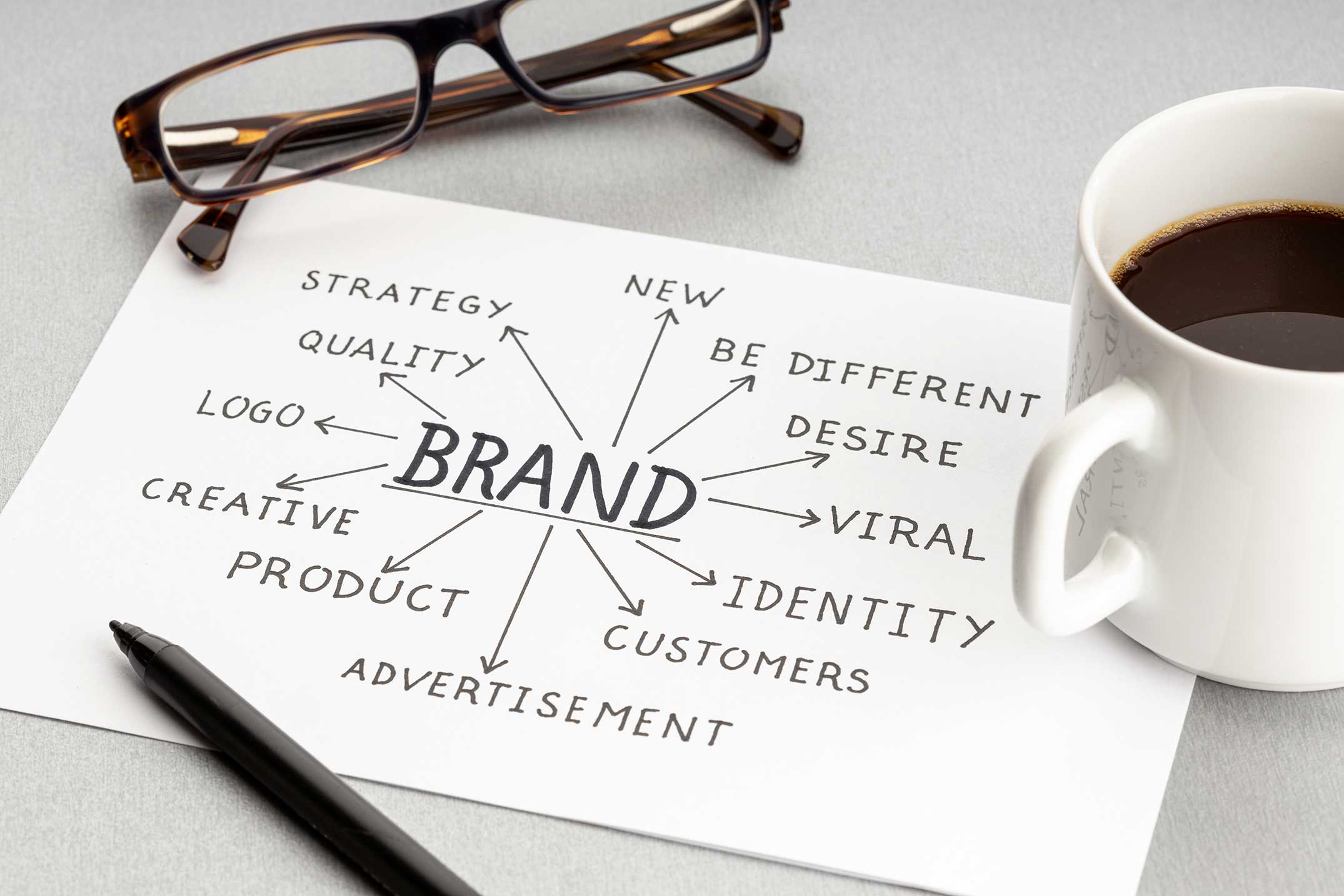
- If you have to explain an idea or concept to someone take a sheet of paper and start drawing! Concept maps with lots of arrows, circles and scribbles will make much more sense than words. You will be also able to tell more clearly if it makes sense for them.
- What we know now is the basis from which we learn new things, so use analogies and metaphors to get your point across.
- If translating information, avoid the cheap ‘direct translating’ services and make sure you have someone who understands your industry or business translating concepts. Often direct translations have a different meaning and need a whole different series of words to describe the same concept.
- Even if you are meeting up with colleagues for a casual coffee or lunch, always follow up with an email identifying the main points of the conversation including actions agreed to and points for further discussion. This will not only remind you of the things you had to do, but lets the person know that you valued their input and time.
- Implied meaning in communication is often the most powerful because it is harder to identify and usually happens frequently. Examine the culture of your workplace, the language used, the actions of the boss and senior managers to see if the rhetoric matches the actions. Put culture on your regular staff meeting agendas to allow a discussion on ‘how things are done around here’ – you might be surprised at the result.
Changing the industry that I work in has been a challenging experience, but what I have kept the same are the things that provide the most meaning for me – working in a challenging learning environment, creating positive experiences for staff and clients, and valuing people – regardless of what they do.
Making meaning in your personal and professional communication, for yourself and others, is an effective way to create change and embark on new adventures.
Zadro specialises in organisation change and strategic communication management in small to medium enterprises. For more information visit www.zadroagency.com.au


You May Also Like

Is the traditional PR agency model broken?

Staying ahead of the curve in 2024